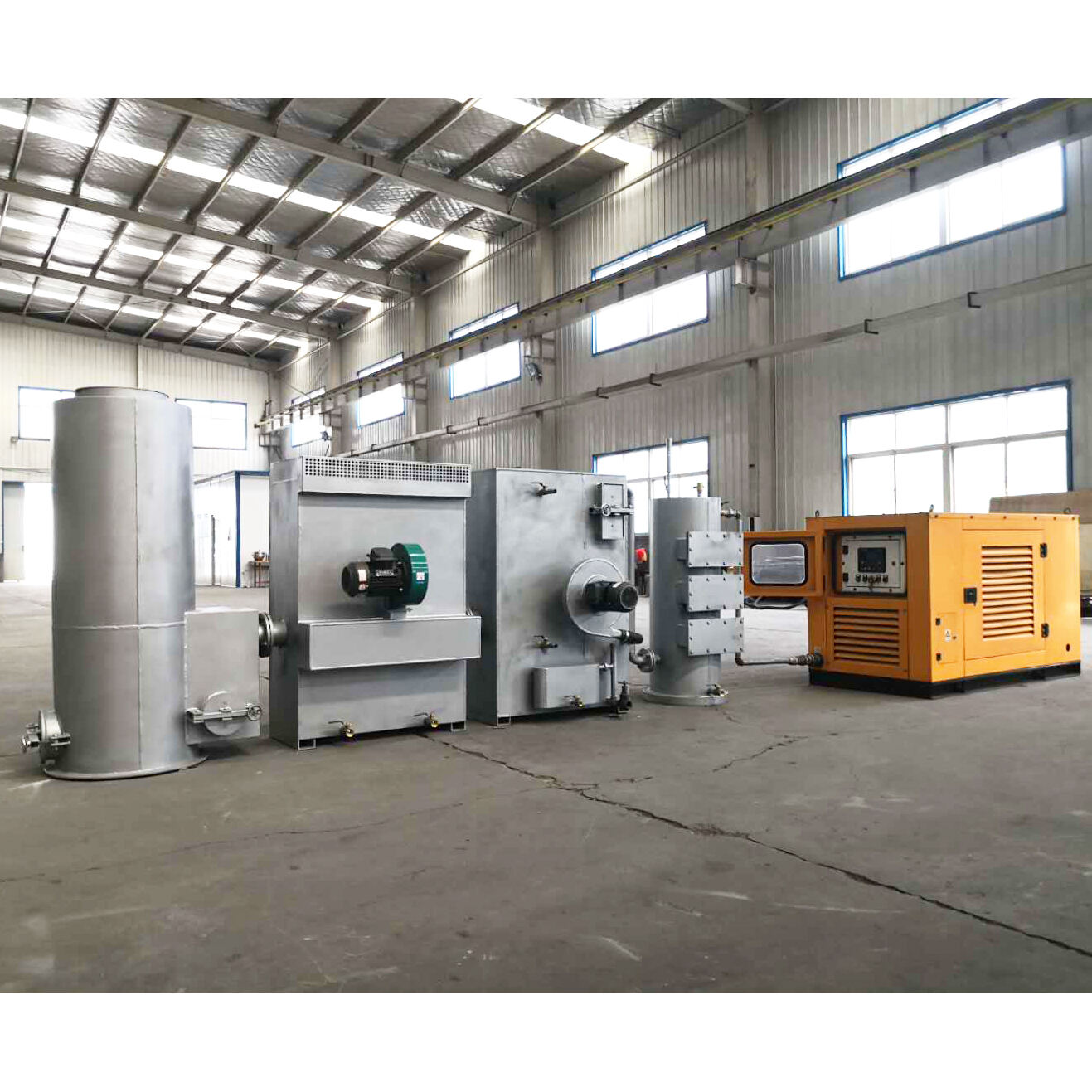
Bio-gasification and bio-pyrolysis in Germany are avant-garde processes to integrate into our understanding of energy consumption. Such processes turn organic materials — wood, agricultural waste and even what comes out of the bathroom — into valuable energy in the form of electricity, heat and biofuels. These innovations have held no greater vanguard that Germany, setting the pace in sustainable energy answers to the world’s needs. Continue reading to learn the details of Biomass gasification and pyrolysis technology in Germany and how it is disrupting the energy sector.
Biomass gasification and pyrolysis technology in Germany offers several advantages, including the recovery of energy from waste materials. By taking in organic waste that would otherwise be dumped in landfills, these processes alleviate greenhouse gas emissions and advance circular economy. This is not only a way to accommodate environmental issues, but also indicates that Germany continues its effort towards carbon neutrality. Furthermore, biomass gasification and pyrolysis constitute flexible energy source that could be applied in heat and power generation. That allows for a cleaner, more stable energy supply not reliant on fossil fuels and promotes energy independence. Moreover, this technology can stimulate economic development through selling of waste and creation of employment in renewable power generation market. In conclusion, biomass gasification and pyrolysis technology in Germany is a key element in the country’s shift towards a more sustainable, secure energy system.
Biomass gasification and pyrolysis is a breakthrough in the energy industry as it provides clean, renewable alternatives to traditional fossil fuels. In a time of growing concern for climate change and energy security, these technologies offer an opportunity to produce power in a clean way. Since organic waste is turned into energy, biomass gasification / pyrolysis helps lower the carbon footprint on producing energy and is part of Germany’s Energiewende. What’s more, these can be incorporated into the existing energy infrastructure, which will facilitate a move to renewable energy. This combined integration will create a more stable and robust energy supply that mitigates the variations in wind power and solar generation. And so, gasification and pyrolysis technology for biomass is not only contributing to mitigating climate change, but also enhancing a secure and sustainable energy future in Germany, even beyond.
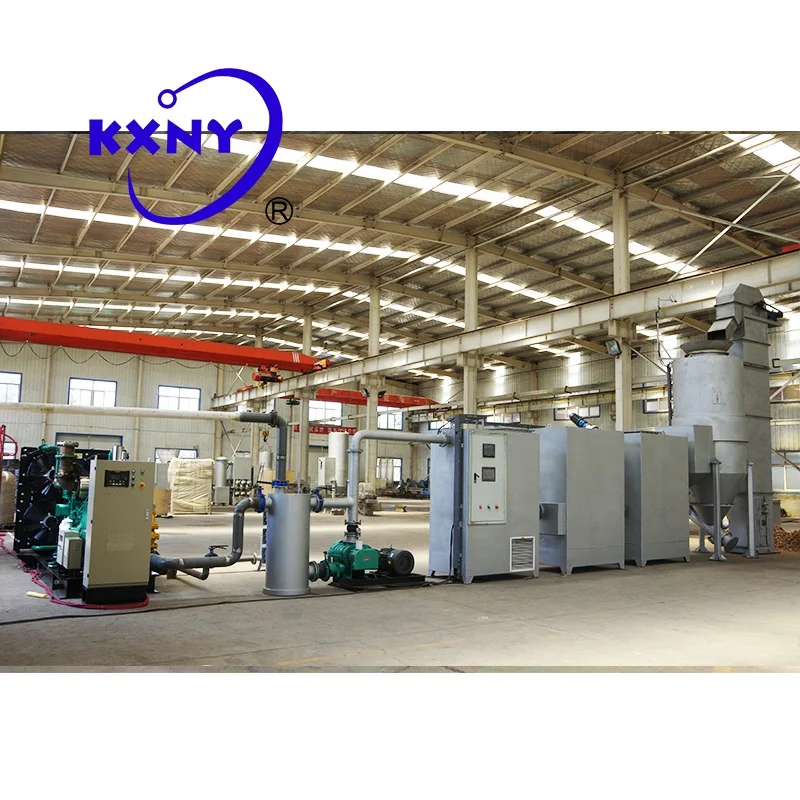
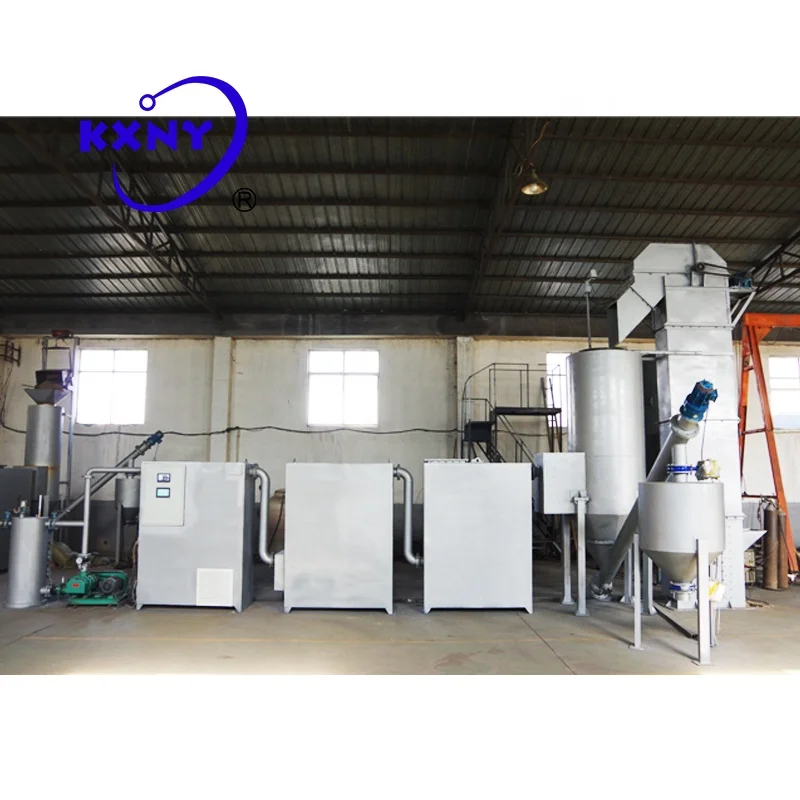
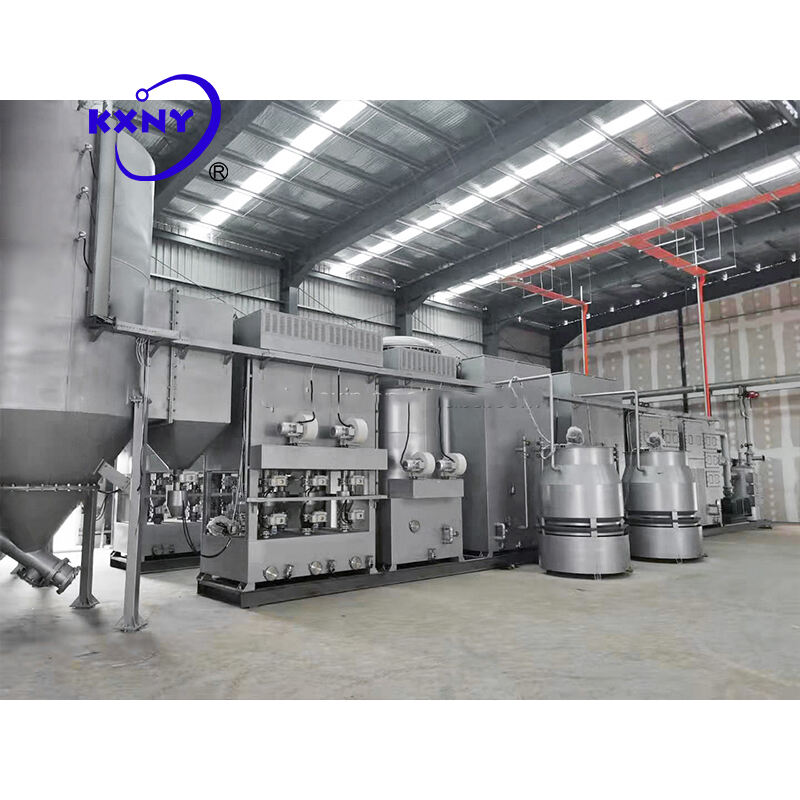
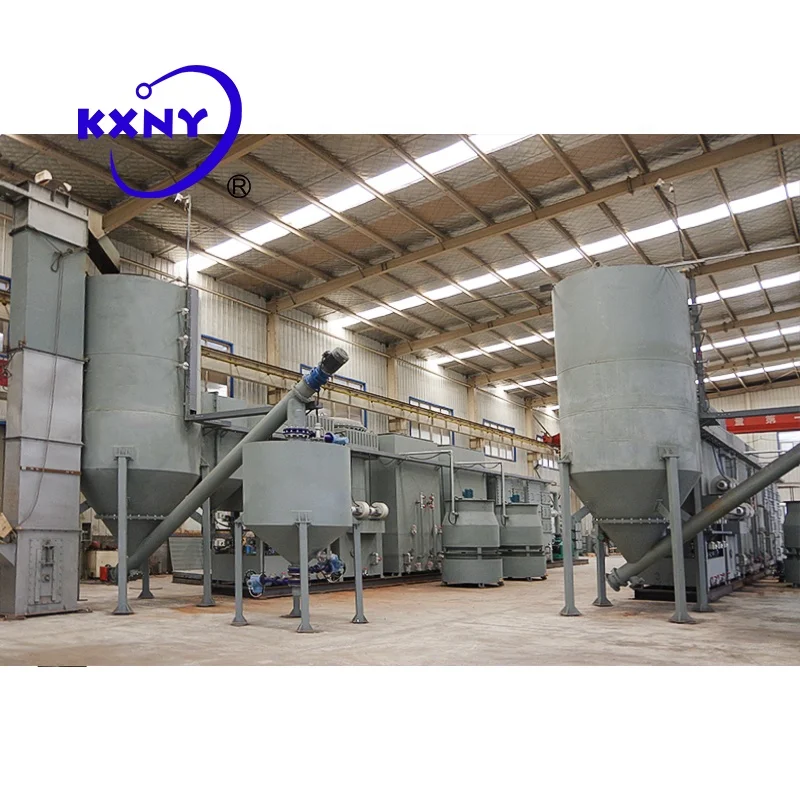
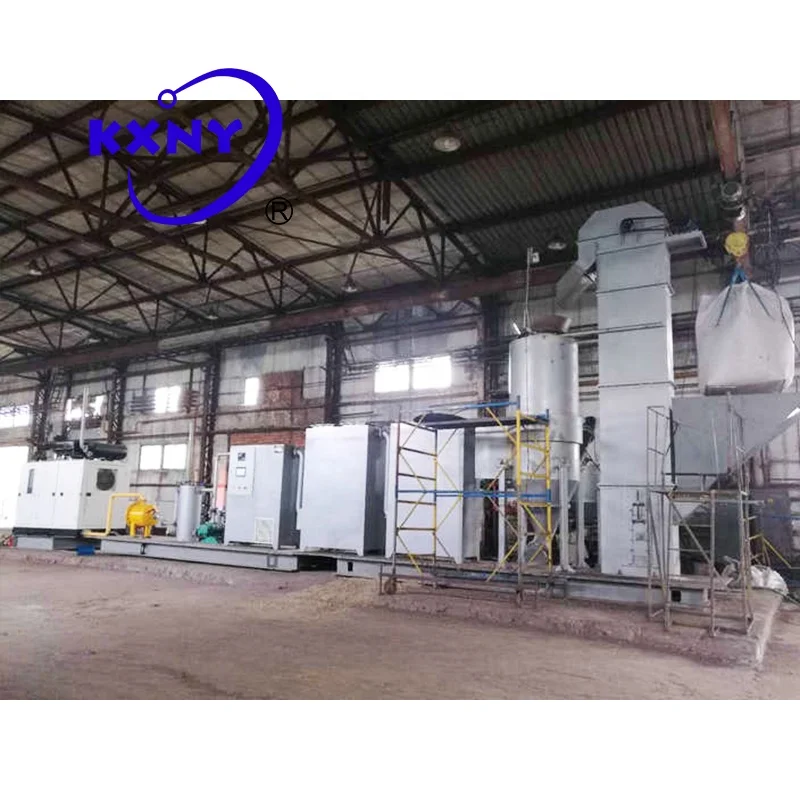
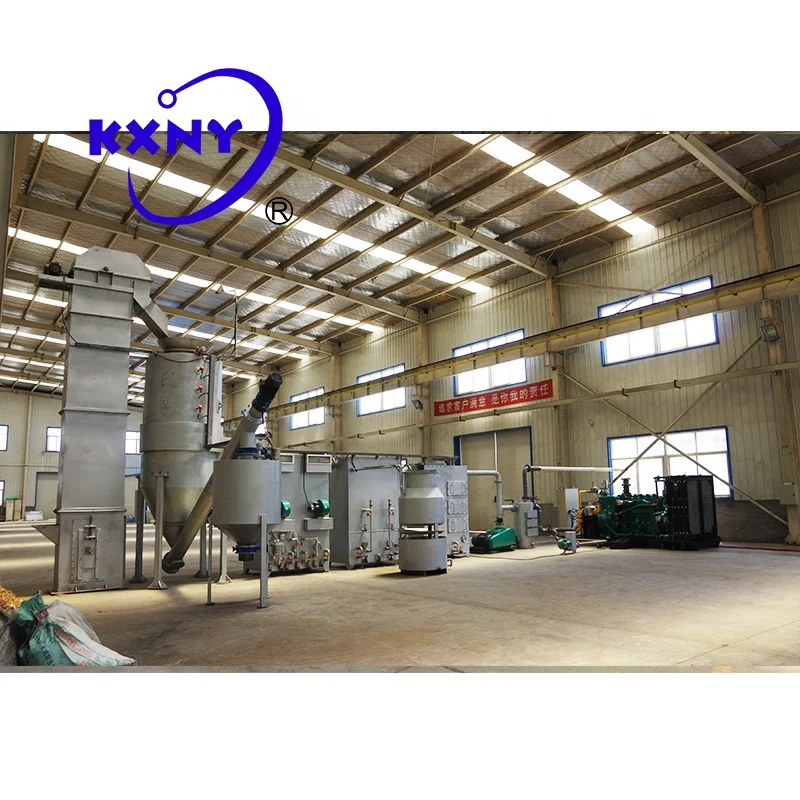
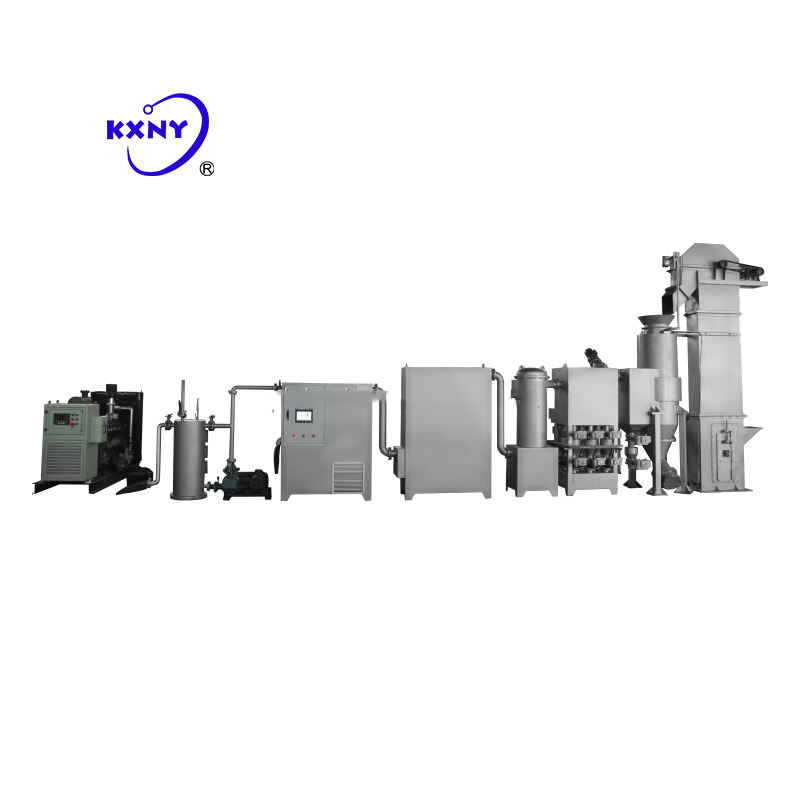
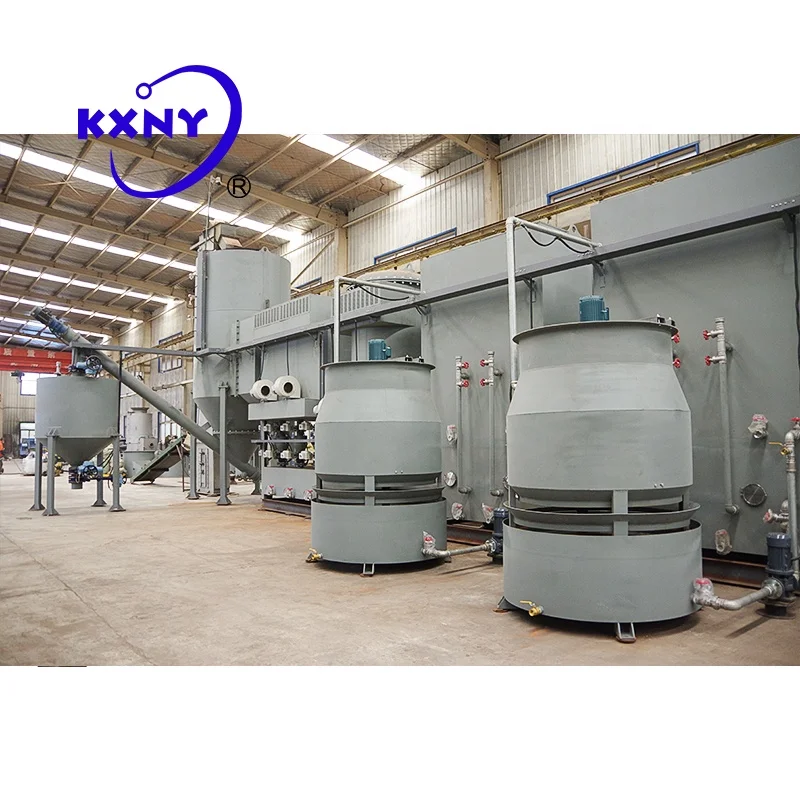
In Germany, KEXIN leads in investigating biomass gasification and pyrolysis as innovative systems of renewable energy. Such technologies provide a means to make valuable sources of energy from organic waste, while decreasing reliance on fossil fuels and reducing greenhouse gas emissions.
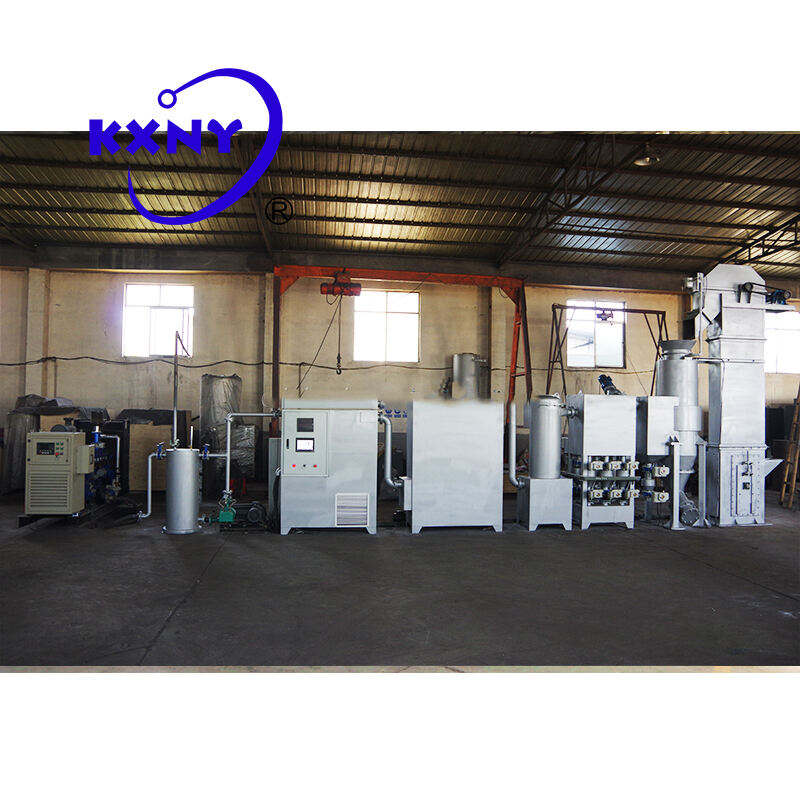
There are two mechanisms for energy use of biomass: gasification and pyrolysis. Gasification is a process that heats the biomass to an elevated temperature of operation and using a little, some or no oxygen (depending on the process) cause the solid waste to break down or gasify (similar to pyrolysis) into primarily hydrogen and carbon monoxide (and other gaseous compounds). In contrast, pyrolysis is the thermo-chemical decomposition of biomass at elevated temperatures without oxygen to obtain biochar, bio-oil and syngas. Both technologies have their own advantages, however, because of its higher efficiency, and flexibility, gasification is commonly used in a large number of applications.
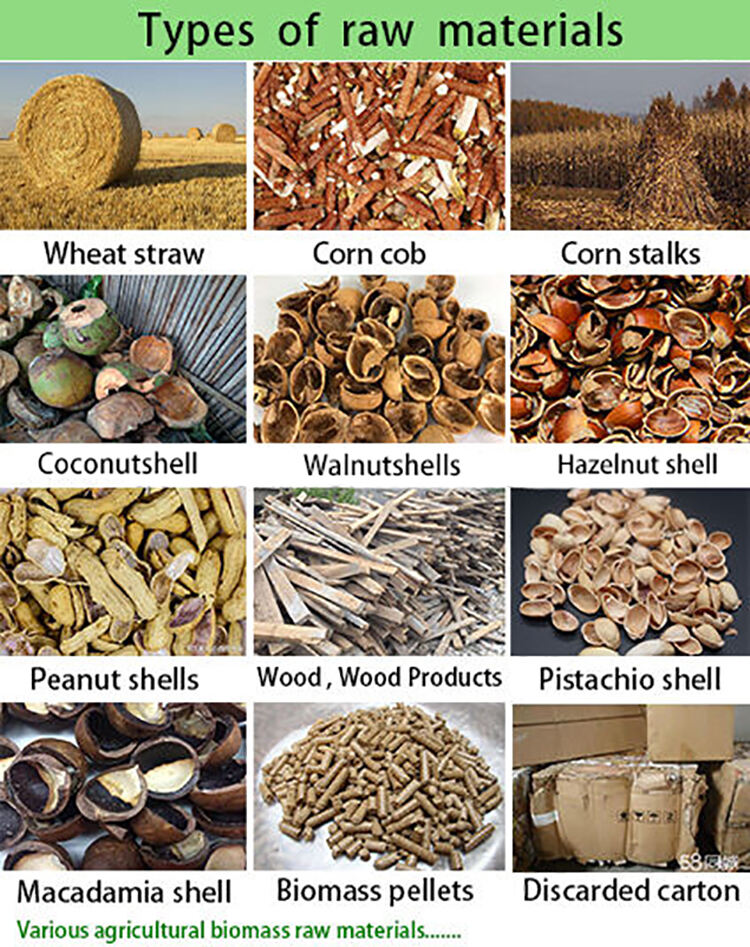
Germany has been one of the first countries to push renewable energy technologies, with biomass gasification and pyrolysis playing a significant part in recent years. These technologies provide a path for agricultural residue, forestry waste, and organic waste materials to become clean energy. Under the innovation of KEXIN and RIXIN, Germany will develop into a biomass gasification and pyrolysis technology center to serve the renewable energy industry and sustainable development.
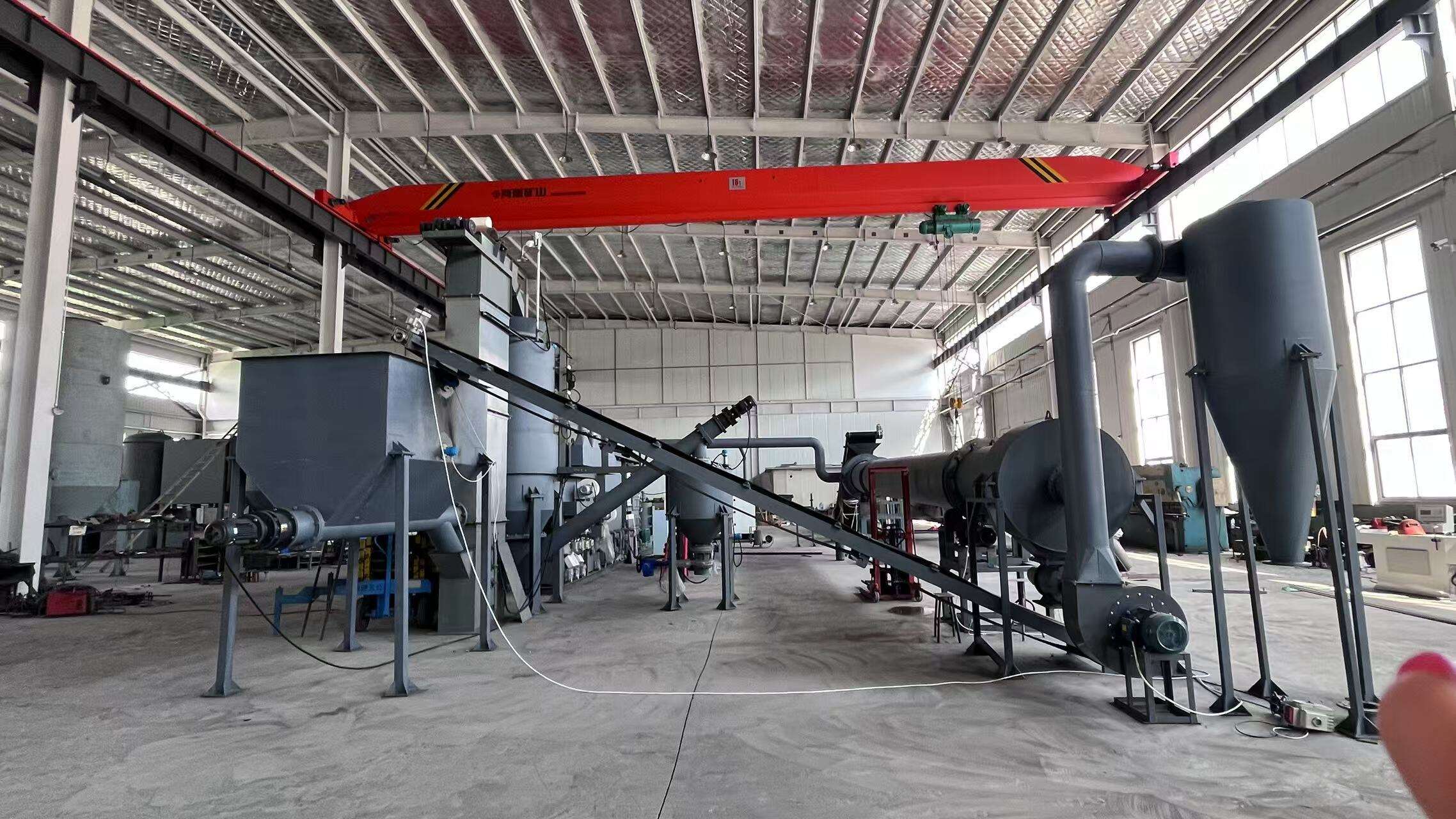
Although there is potential to utilize biomass gasification and pyrolysis, few common utilization concerns remain. One of the biggest issues is that gasification and pyrolysis facilities are expensive to install and operate, making them cost prohibitive for small businesses or communities. Quality and uniformity of feedstock materials can affect effectiveness and performance of such technologies. KEXIN is currently working hard to develop solutions for the issues and make biomass gasification and pyrolysis even more accessable and articulated on other fuels in Germany as well as all around the world.
We recognize that every project is unique, and that is why we offer professional customized on-site services. Our team works closely with customers to analyze their individual requirements, providing tailored solutions that increase effectiveness and efficiency. Our expertise in biomass energy allows us to maximize our gasification equipment for each application. We are an experienced partner when it biomass gasification and pyrolysis in Germany achieving sustainable energy goals.
With over 24 years of dedicated experience Qingdao Kexin New Energy Technology Co Ltd has established itself as a leader in the field of biomass gasification equipment for power generation Our journey began in 1998 with the Qingdao Pingdu Tianwei Environmental Protection Gas Equipment Factory Since our inception we've always been committed to advancing technology and sustainability Our vast design and manufacturing know-how allows us to create biomass gasification and pyrolysis in Germany efficient biomass gasification systems that can meet all energy requirements while ensuring dependability and performance
We place a high value on customer satisfaction in Qingdao Kexin through biomass gasification and pyrolysis in Germany after-sales services Our dedicated support team is dedicated to helping customers for a long time after purchase and provide assistance with maintenance guidance and assistance in troubleshooting to ensure that the equipment is performing at its best We believe that strong after-sales service builds long-lasting relationships with our customers and improves their overall experience using our products
Our dedication to innovation is fueled by our experienced research and development team that is focused on the advancement of the technology of biomass for green energy With a track record of advancements in technology and innovations we've developed the KX series of biomass gasification power generation equipment as well as related products for biomass gas applications which are all backed up by patents granted to independent inventions The biomass gasification and pyrolysis in Germany on RD makes sure that we remain at the forefront of the industry continuously upgrading our products to satisfy evolving market needs and ensure the sustainability of our future
Copyright © Qingdao Kexin New Energy Technology Co., Ltd. All Rights Reserved - Blog - Privacy Policy
 EN
EN