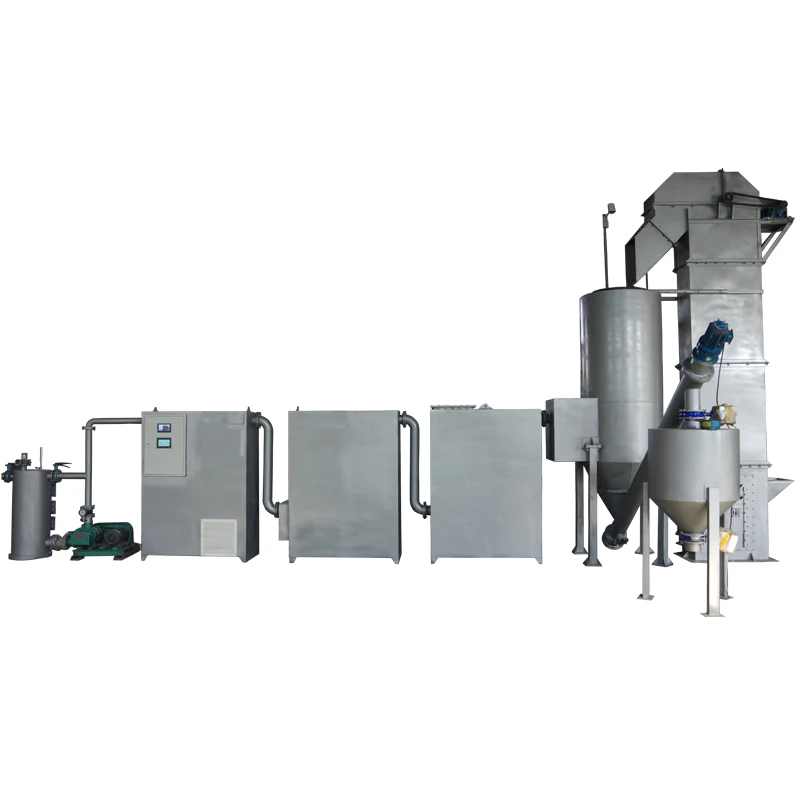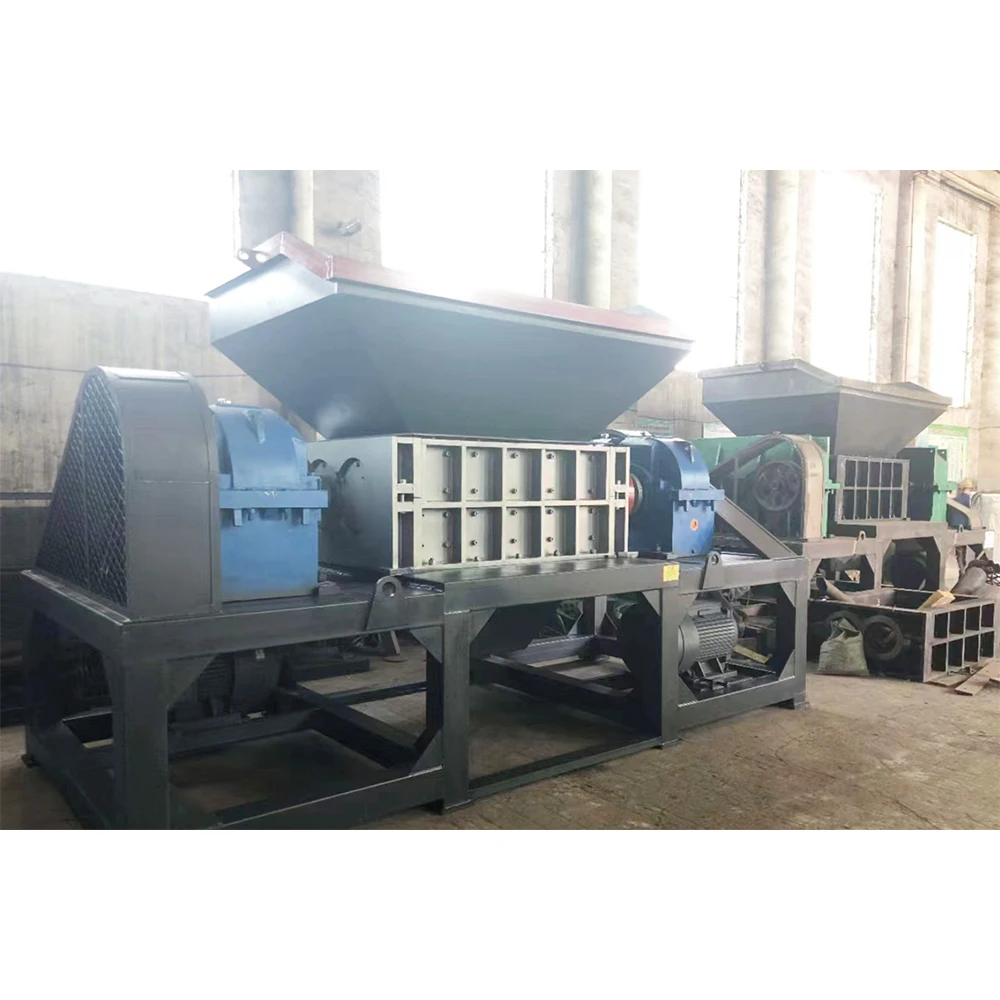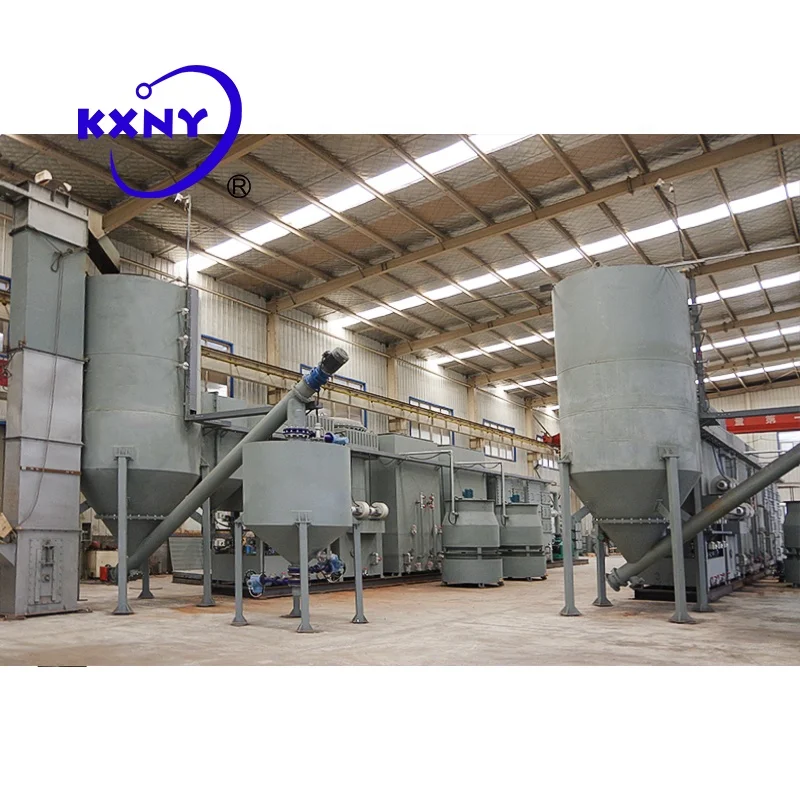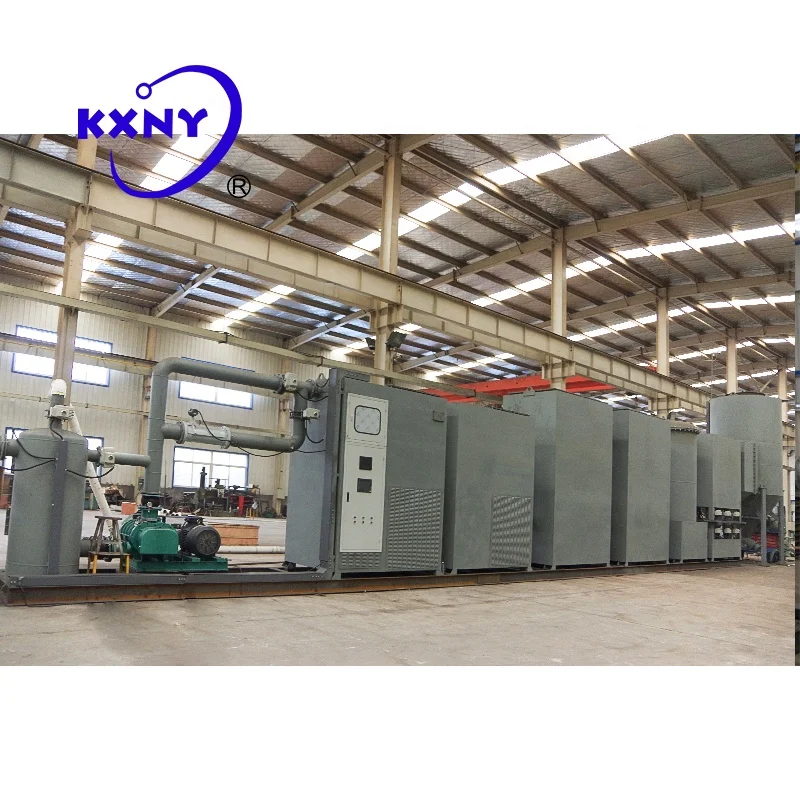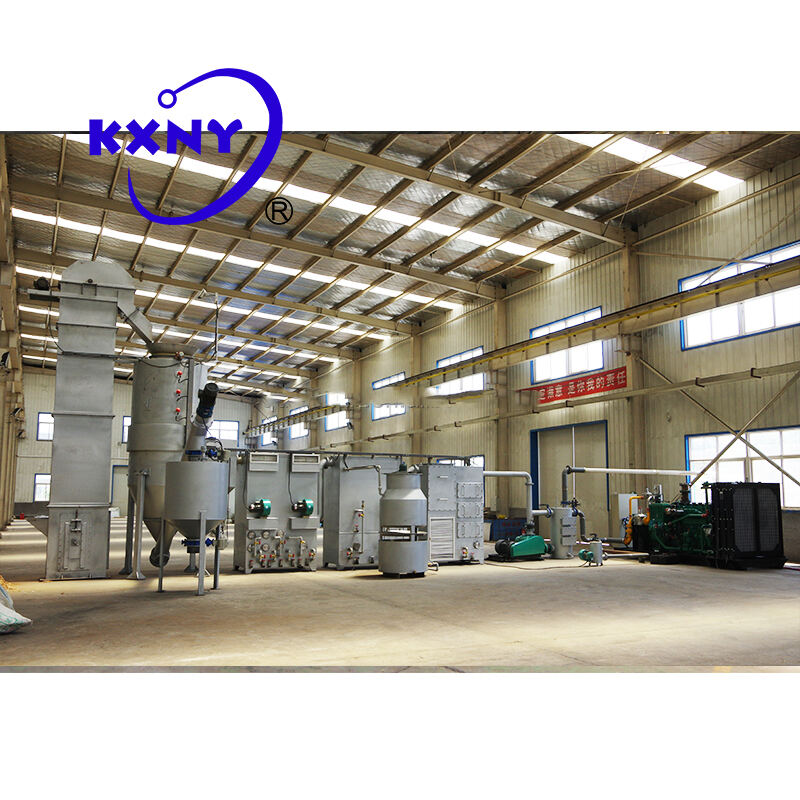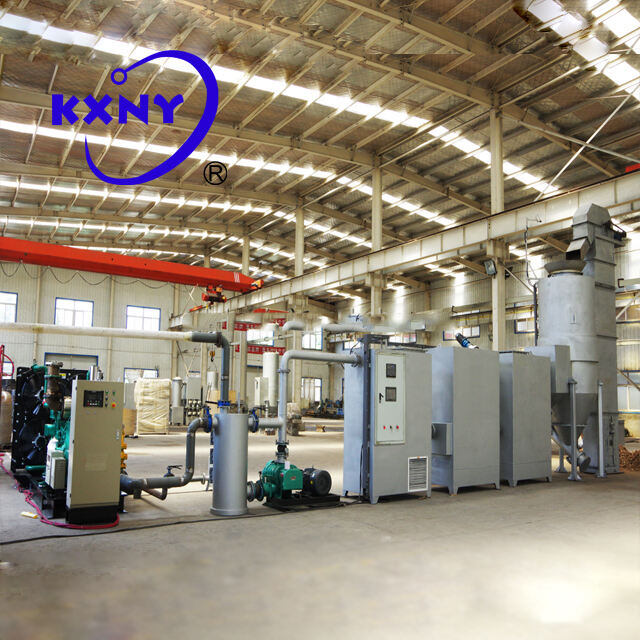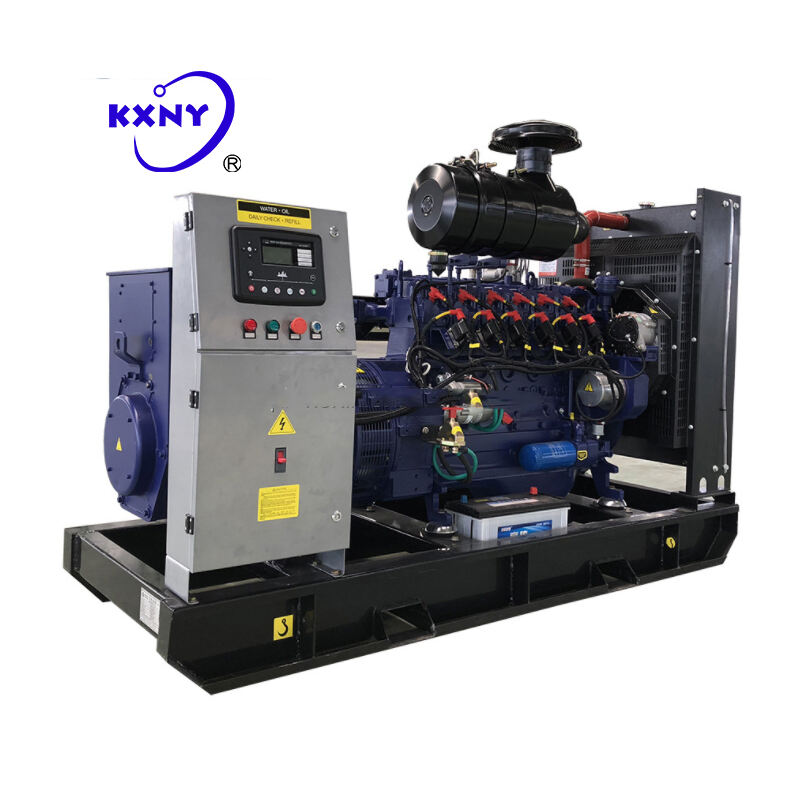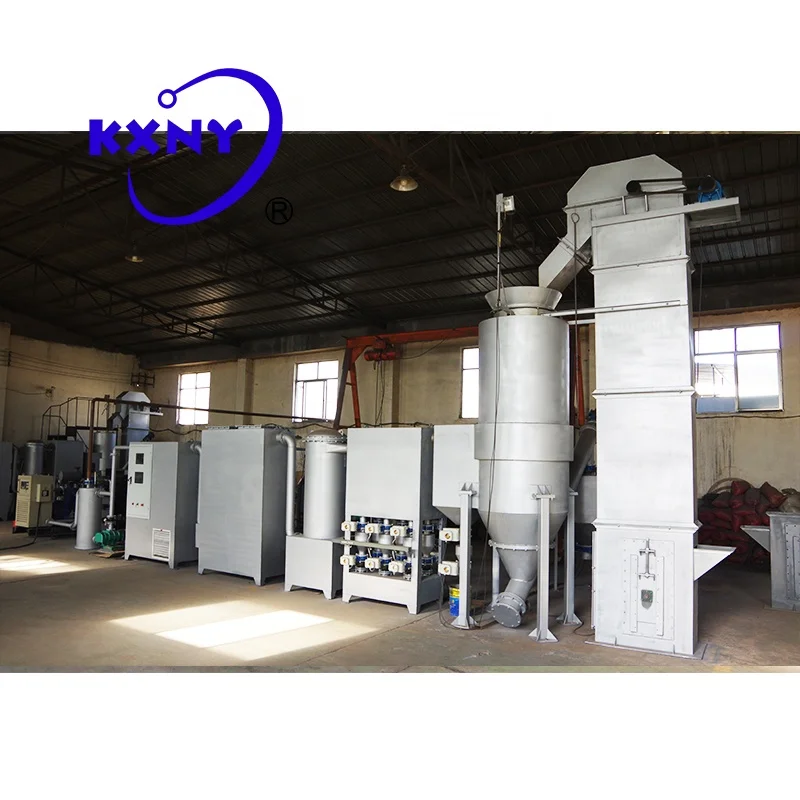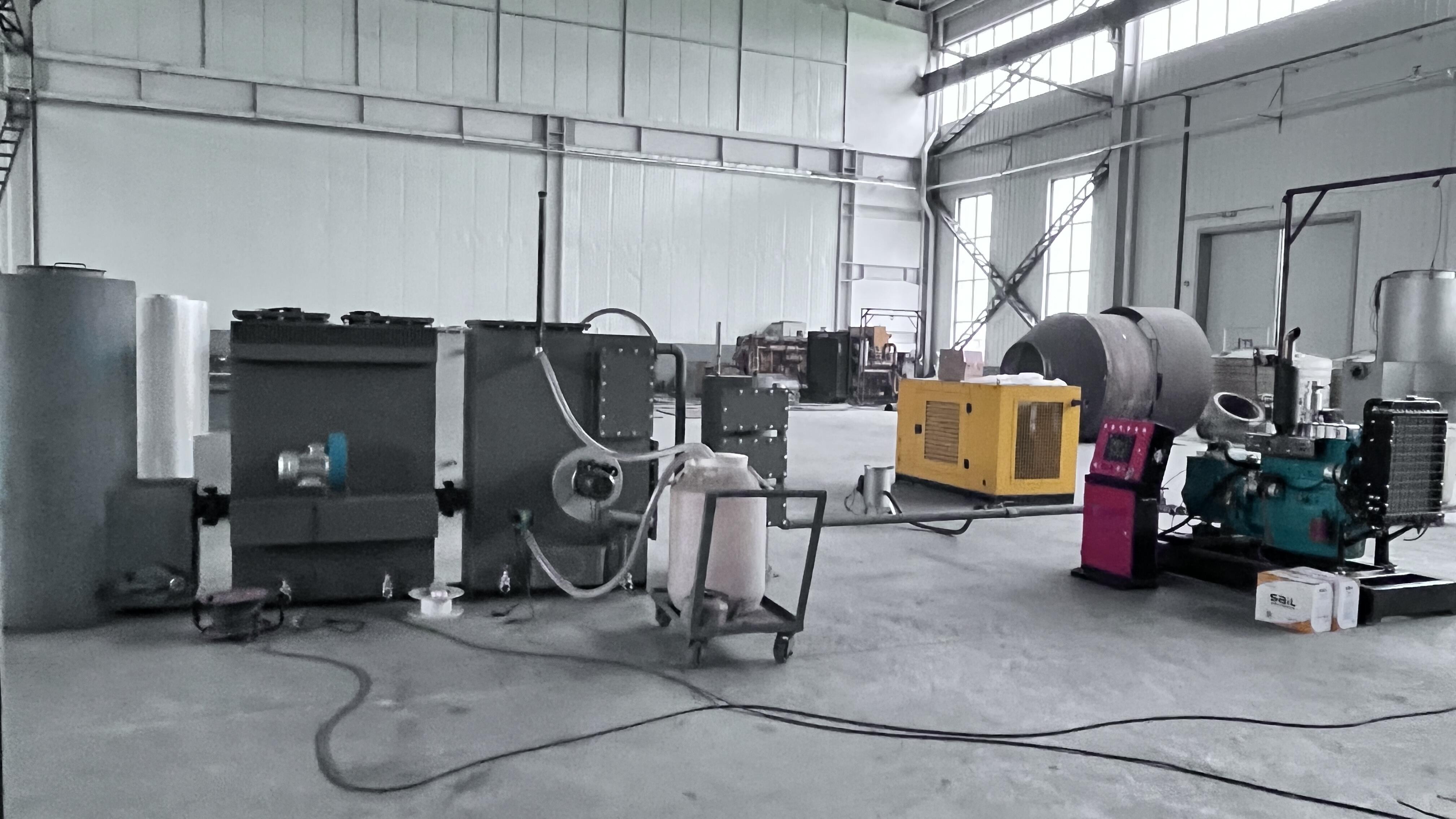
Gasification projects in New Zealand are drawing the country closer to a cleaner, greener future. Through these novel systems, a new approach are presented which could allow for a cost-effective means to convert organic waste to resource. Using gasification to safe New Zealand cleaner Waste can be reduced, greenhouse gas emissions cut and the cleaner environment in new mills. One of industry’s top manufacturers KEXIN provides some of the most innovative gasification systems in the market that are literally changing the way we handle waste and how we use energy for ever.
The future of renewable energy in New Zealand looks promising, as gasification technology continues to gain popularity. Such systems are essential to the conversion of organic feedstock -- including wood chips, agricultural residues and municipal solid waste -- into syngas, a clean energy. Utilising gasification technology allows New Zealand to move away from a reliance on traditional fossil fuels, cut down its landfills and work towards a cleaner energy future. KEXIN’s state-of-the-art gasification systems are well-suited to deliver superior economic and environmental outcomes as part of the country’s clean energy transformation.
Optimization of efficiency regarding these gasification plants would lead to a significant step in the potential use of this innovative market entry apparent technology. Through highly effective waste-to-syngas processing, gasification solutions can produce heat, power, and biofuels that are an attractive and more sustainable valid alternative to traditional energy source. KEXIN’s advanced gasification technology is designed for efficient performance and minimal energy loss, which means every resource is used effectively. Efficient heating and hot water solutions can assist New Zealand in meeting its growing energy needs to save carbon emissions and a cleaner, healthier environment for our children.
Exploiting waste materials to valuable carriers of energy like in gasification process represent one of the most important featurs for this technology. Through a method known as thermochemical conversion, gasification systems can convert organic waste — such as agricultural residues, wood chips and even municipal solid waste — into a relatively clean-burning gas called syngas. That syngas can in turn be used to produce electricity, as well as heat, or eventually biofuels, which would help replace less sustainable fossil fuels and also reduce greenhouse gas emissions.
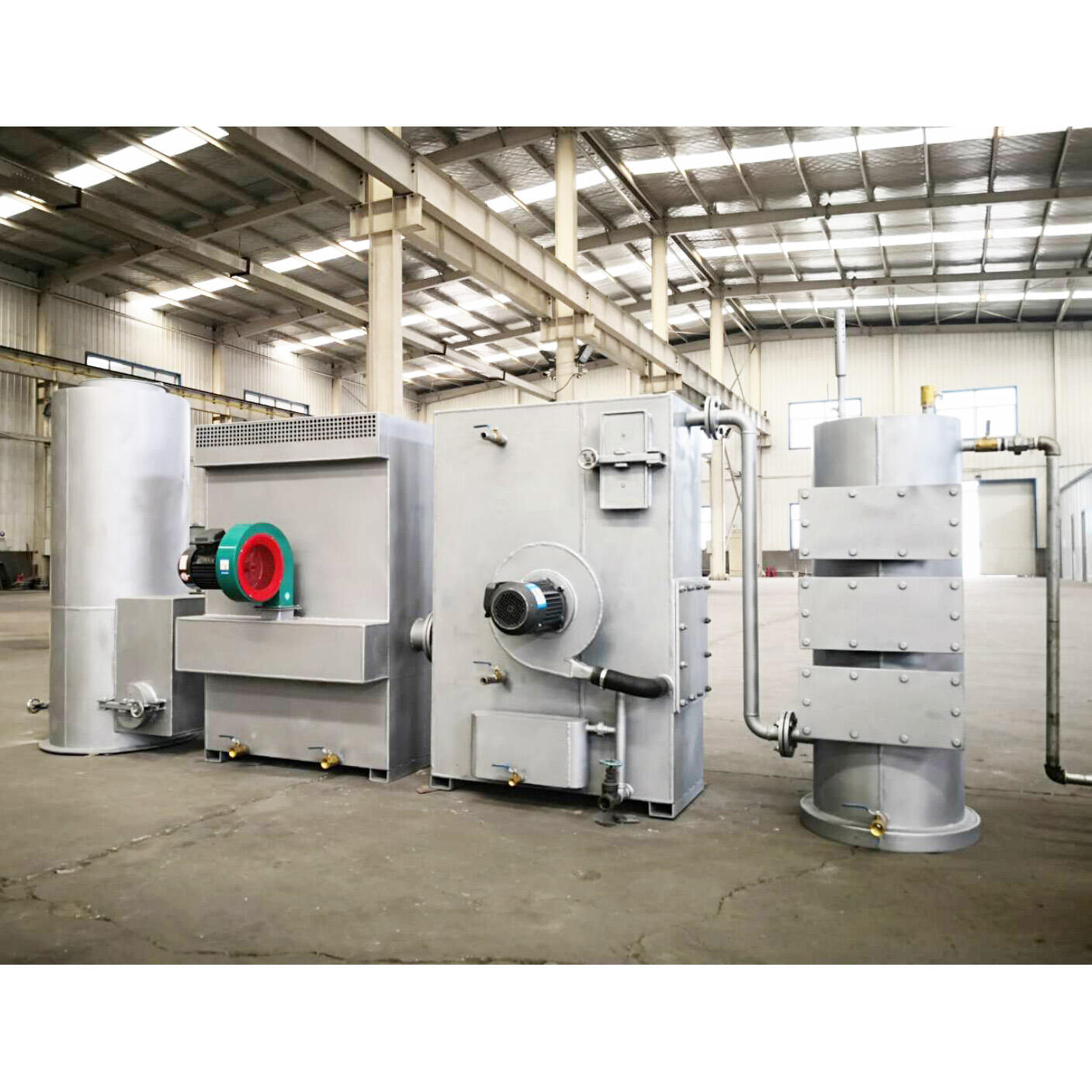
Gasification technologies may contribute substantially to New Zealand’s development of a sustainable, low carbon economy. Gasification systems help cut methane emissions, which is a potent greenhouse gas, by diverting organic waste from landfills and incinerators. Further, as they create power from waste materials the gasification systems can also fuel reductions in the country’s dependence on fossil fuels and step towards a more sustainable energy future.
With the government doubling-down on options to reduce carbon dioxide emissions by incentivising renewable energy sources, gasification systems appear set to become a more significant feature in New Zealand’s future energy portfolio. By investing in gasification technology today, the companies can establish themselves as global leaders of sustainability to benefit from the increasing requirement of cleaner energy solutions.
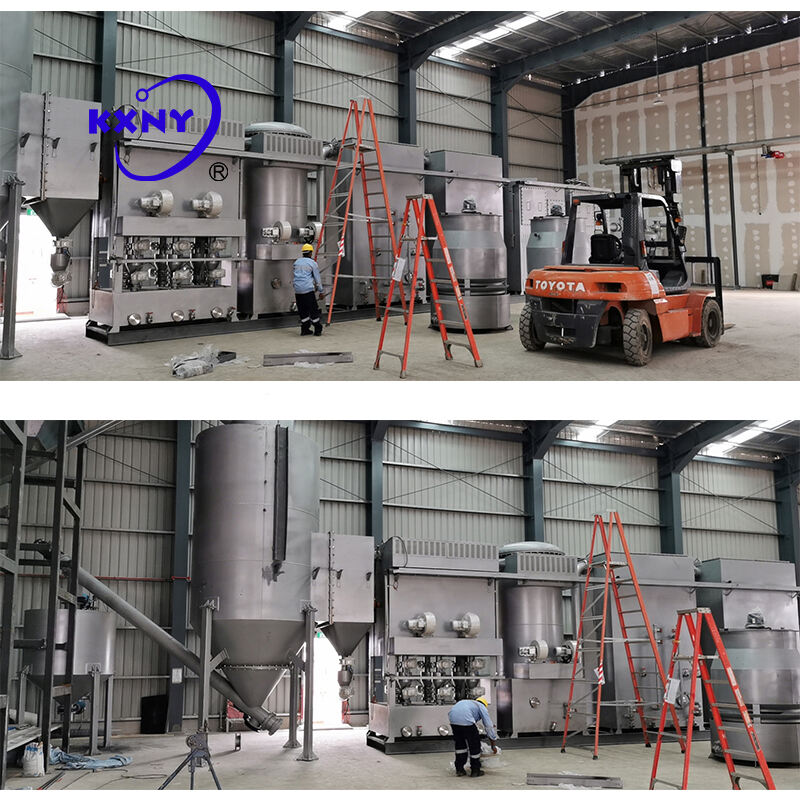
Although there are multiple advantages to gasification systems, there are also some common utilisation problems that we should draw the attention of businesses in New Zealand. The pre-separation and conditioning of the waste is an issue, i.e. the feedstock must be adapted to the gasification process. This includes non-organic substances (plastics, metals etc.) which may infest the system and cause problems with conversion of the matter into gas from a process that is less efficient than desired to trigger equipment damage.
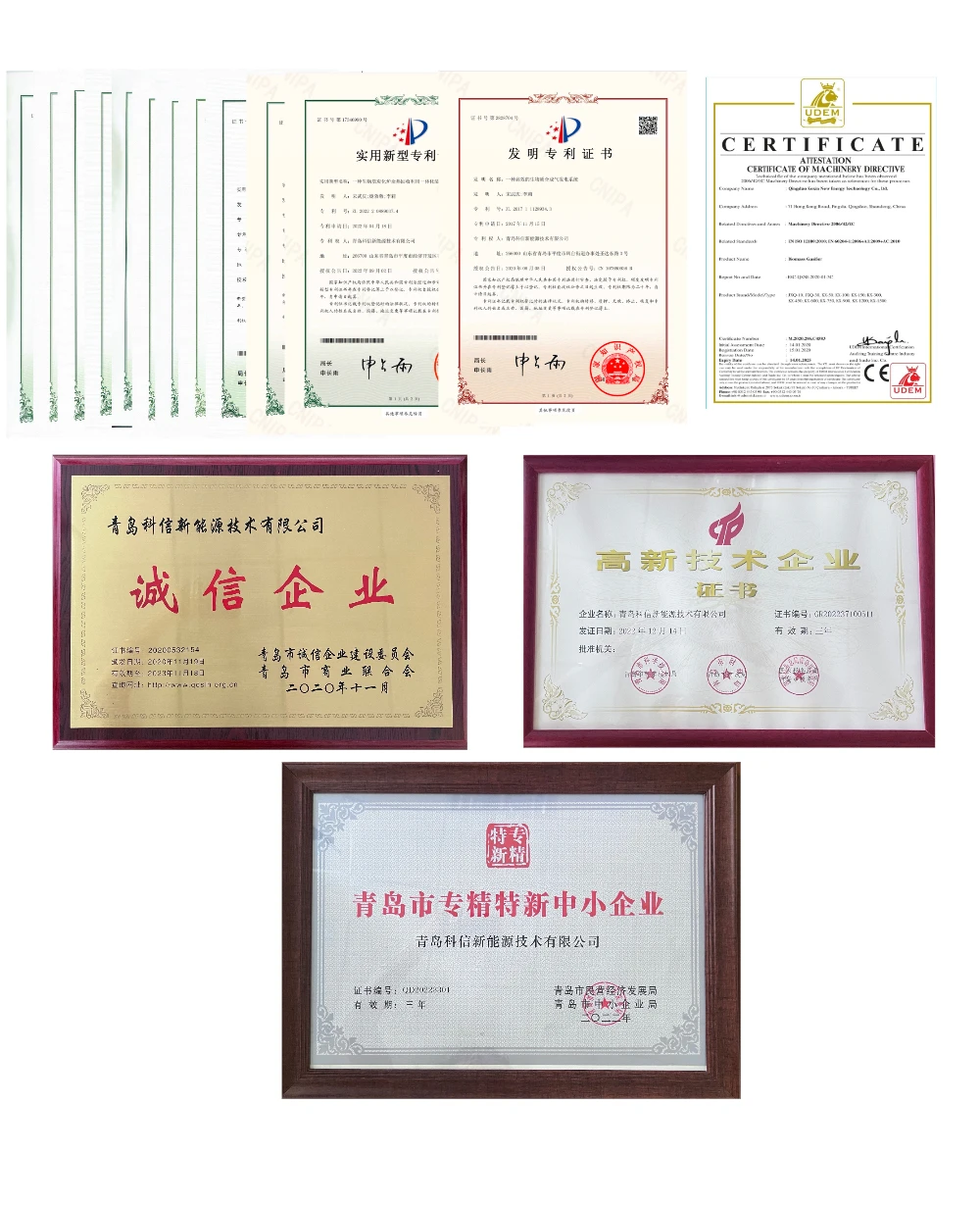
Our passion for innovation is driven by our gasification systems in New Zealand research and development team that focuses on developing biomass green energy technology With a history of advancements in technology We have created the KX series biomass gasification power generation equipment and related biomass gas application products all backed by patents granted to independent inventions We're dedicated to RD to ensure that we stay in the forefront of our industry We are constantly improving our products to meet changing demand from the market and aid in a more sustainable future
gasification systems in New Zealand team can provide professional customization services on-site. We understand that each project is unique. Our team works closely with customers to determine their needs and provide solutions tailored to maximize effectiveness and efficiency. Through our extensive knowledge in biomass energy, we can ensure that our gasification equipment is optimized for individual applications that makes us a trusted partner to achieve sustainable energy goals.
Qingdao Kexin New Energy Technology Co Ltd with more than 24 years of expertise in the field has grown into a top manufacturer of biomass gasification equipment Our journey began in 1998 with the Qingdao Pingdu Tianwei Environmental Protection Gas Equipment Factory Since the beginning we've been dedicated to sustainability and innovation We have a vast production and design skills which allows us to develop gasification systems in New Zealand biomass gasification systems to fulfill a wide range of energy needs
gasification systems in New Zealand place a high value on customer satisfaction at Qingdao Kexin through excellent after-sales services. Our team of support specialists will assist customers even after they have purchased the product with advice, assistance, and assistance in troubleshooting to ensure optimal equipment performance. Solid after-sales service helps to build lasting relationships with customers and improves the experience they have with our products.
Copyright © Qingdao Kexin New Energy Technology Co., Ltd. All Rights Reserved - Blog - Privacy Policy
 EN
EN