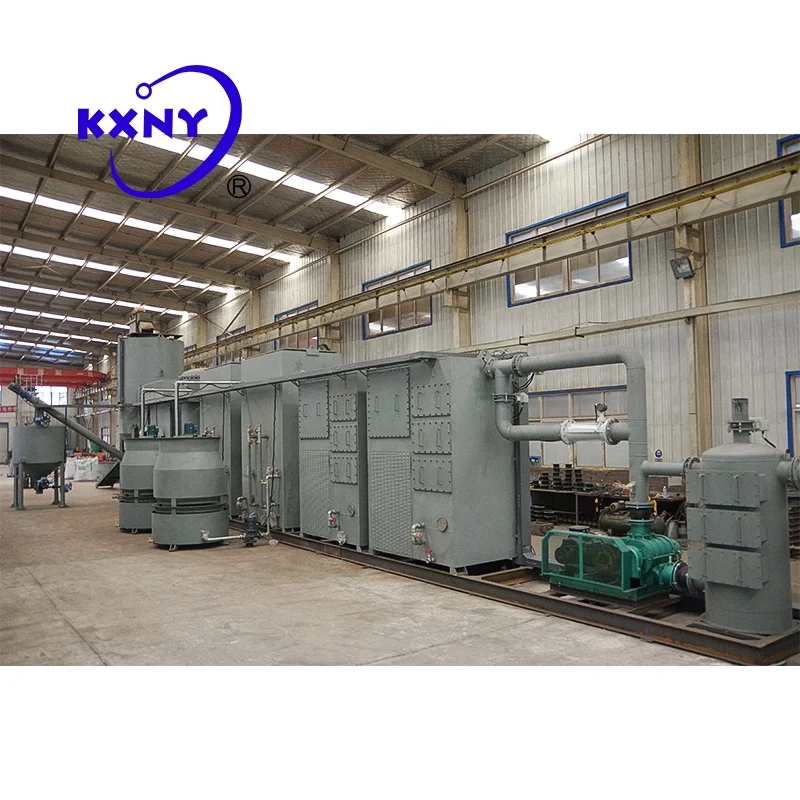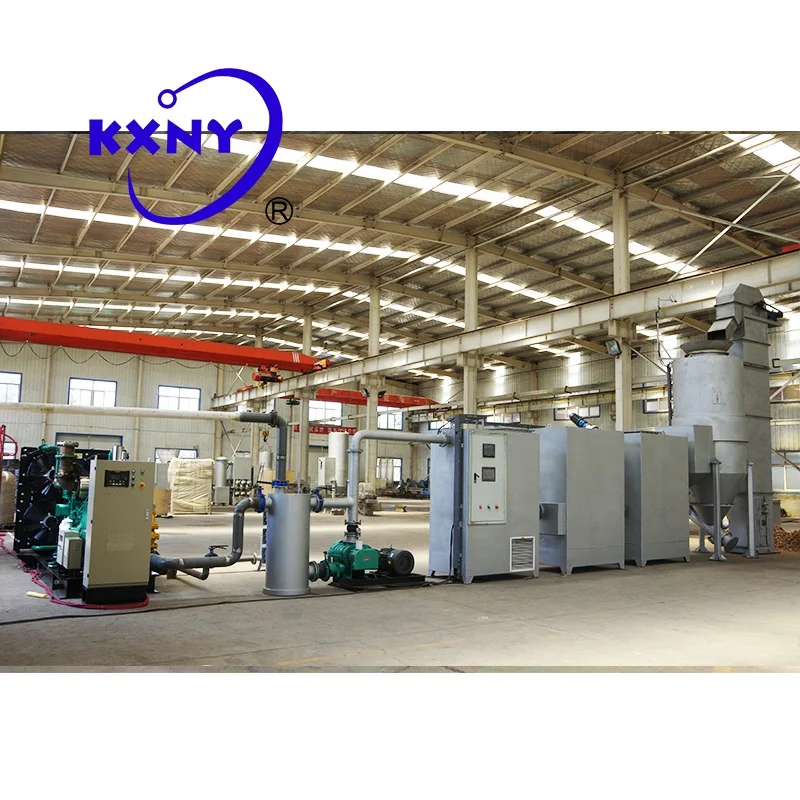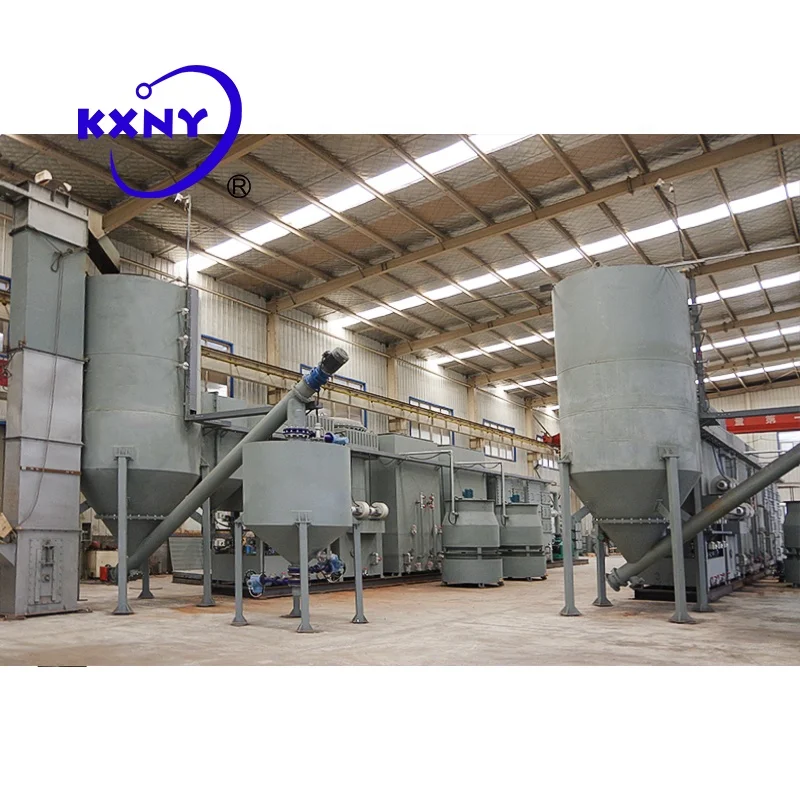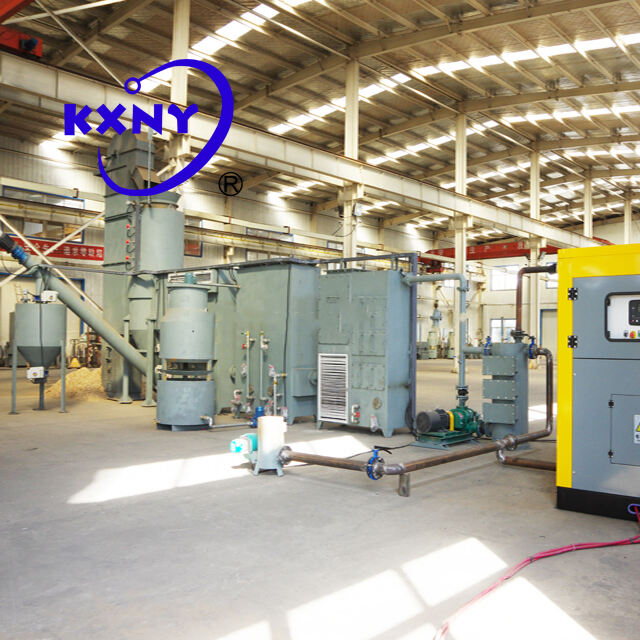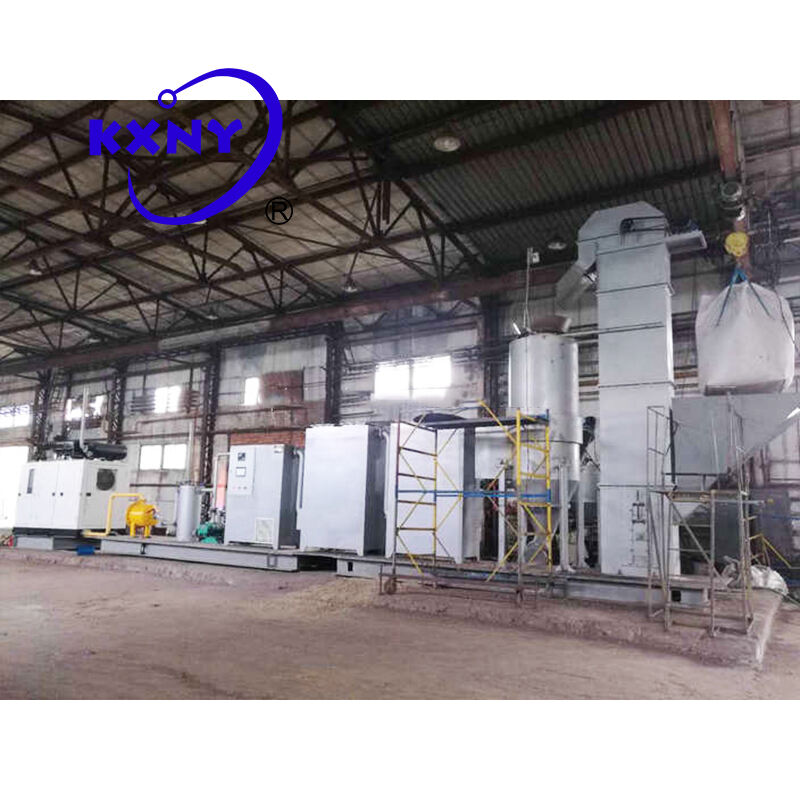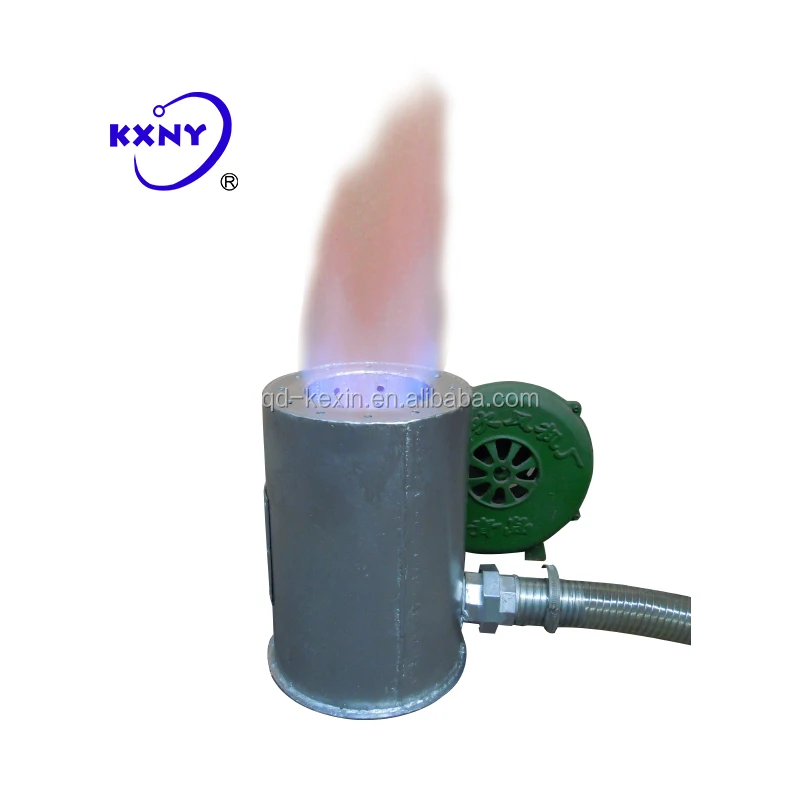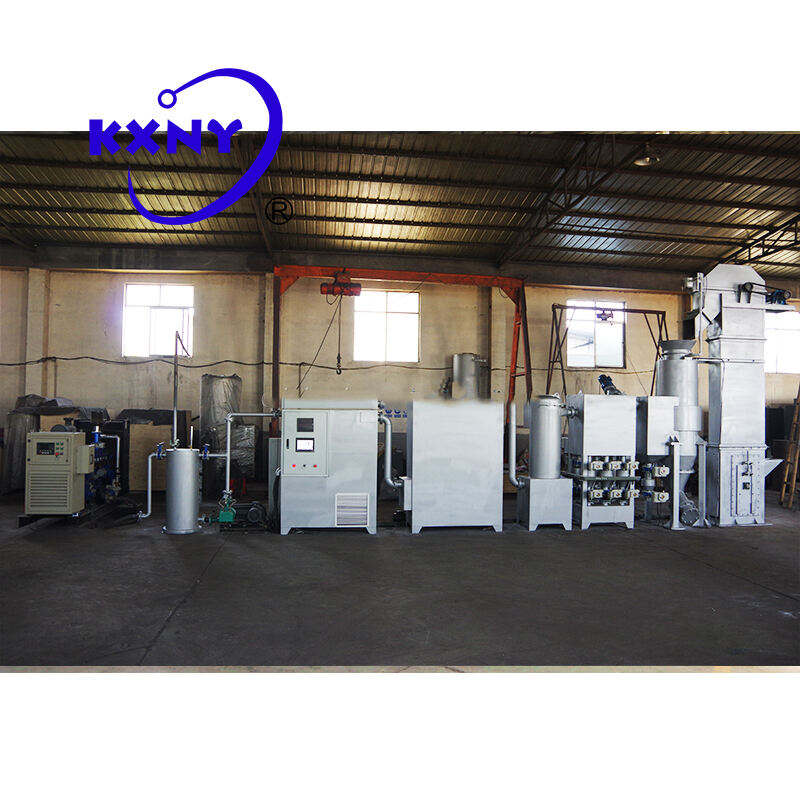
In World War 2, numerous tanks and trucks were driven by wood or coal gas instead of gasoline-which was possible thanks to special machines: the so-called gasifiers. Gasification is a method to turn solid fuel, such as wood (forest biomass waste), into gas that can generate electricity. It was an extremely important process for the war, as gasoline in general during that time was not common. It forced countries to look elsewhere for their energy to power those cars. Thanks to the gasifiers, trucks and tanks could comfortably cover long distances without guzzling gasoline. They also assisted in the running of generators to keep military camps and hospitals energized, ensuring soldiers and doctors had all their power needs met.
Yet gasification did have profound consequences for how armies fought their wars. Most tanks and trucks relied on gas before the invention of a gasifier. But of course gas prices were high, and difficult to come by during the war. Gasifiers allowed vehicles to run on wood or coal, two substances that were much easier (and cheaper) to get a hold of. With this advancement, armies could stay on the move for substantially longer at much greater distances without having to worry about refueling. It also made them more self-reliant, which was a crucial ability in a war where supply lines could be easily cut or diverted. The military there used everything from local material that could be made easy to the trucks and allied railway.
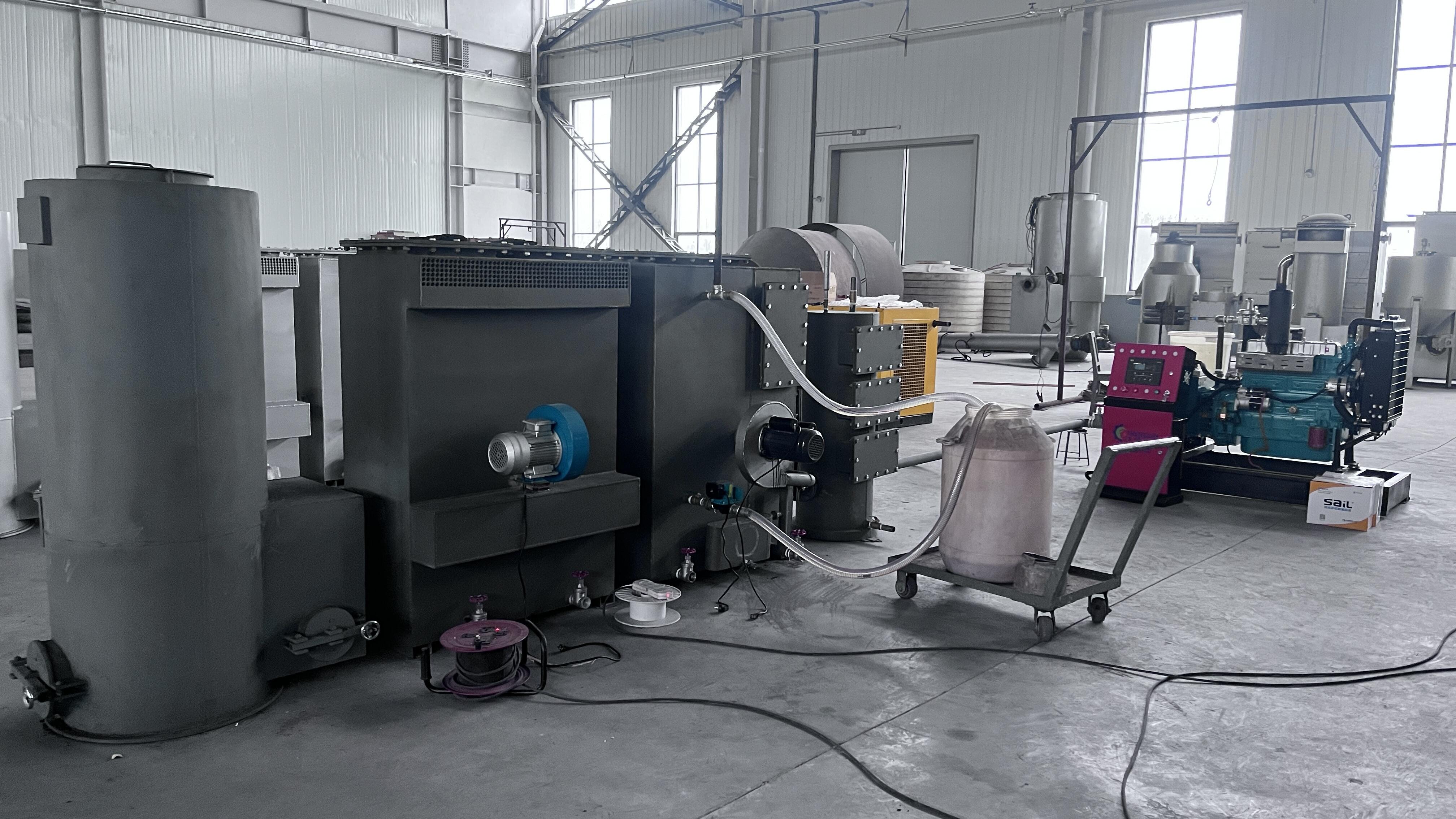
The source of WW2 gasifier traced back to a design made by German engineer, Gustav Bischof in the late 1800s. Numerous people improved upon his original design before it developed into the gasifier that US soldiers relied on during World War 2. The gasifiers, were a boon and could use array of solid fuels; wood most common but also biodiesel fuel made form dried peat moss. Originally inputed to have been resembled as a piece of hardware that just worked, was difficult for the user/owner to service but was practical because soldiers in the field could handle its functionality. The gas ones produced was cleaner than traditional gasoline and it helped clean up the supply of military fuel for convoys, helping to remedy an image problem. This was likely to make solders feel better that they were using this technology because it worked and did so without doing an even bigger number on the planet.
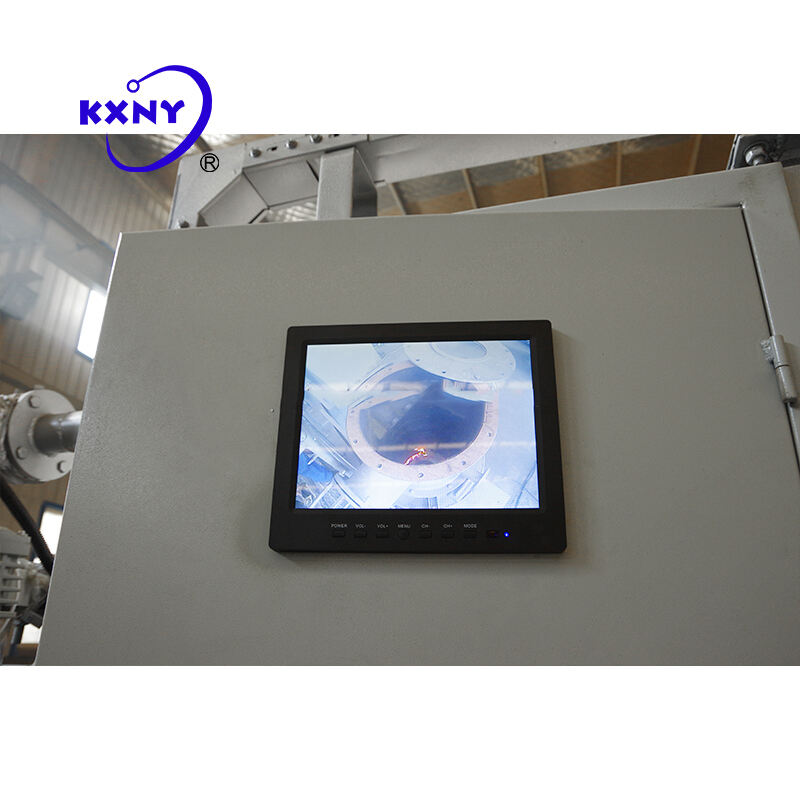
During WW2, it was gasifiers that provided energy to power the war effort. It enabled forces to continue moving and fueling the generators from a constant source of conventional solid matter. That said, gasifiers were not the only method of how armies attempted to remain functional during operations in war. They were only one element in a broad strategy that also included oil drilling, the refining process itself, fuel rationing program and energy conservation efforts. More steam plants were planned to consume newly completed section of the Dexter-Dwight power canal, and (while gasifiers did a lot) they were far from being an all-encompassing method for maintaining wartime operations.

Shoot Warner Bros has even made the gasification process crucial to winning said war. Without gasifiers, armies would have had a harder time moving around and keeping tanks running smooth. They would have become increasingly dependent on the gasoline that was scarce and hard to find. Army forces had geographical mobility and efforts to move armies faster and over greater distances were vital for mounting successful offensives as well as securing supply lines, so long-range gasifiers enabled them to keep moving longer. This also made armies more self-contained, an indispensable requirement when supply at hand was the only type available because traditional lines of distribution were no longer possible. In the main, however, gasifiers were a lifesaver in terms of providing energy for war purposes and they played no small role in bringing about an Allied victory during World War 2.
We place a high value on customer satisfaction in Qingdao Kexin through ww2 gasifier after-sales services Our dedicated support team is dedicated to helping customers for a long time after purchase and provide assistance with maintenance guidance and assistance in troubleshooting to ensure that the equipment is performing at its best We believe that strong after-sales service builds long-lasting relationships with our customers and improves their overall experience using our products
Our passion for innovation is fueled by our ww2 gasifier research and development team that is focused on the advancement of biomass green energy technology. With a track record of advancements in technology that we've created, we've designed the KX series of biomass gasification power generation system and related biomass gas application products which are all backed up by patents granted to independent inventions. This focus on RD guarantees that we are on the cutting edge of the field, continually improving our offerings to meet the changing needs of markets and ensure the sustainability of our future.
We realize that every project is different, which is why we provide expert on-site customization services. Our team works closely with our clients to determine their exact needs and provide specific solutions that will maximize effectiveness and efficiency. Our knowledge of ww2 gasifier allows us optimize our gasification equipment for each use. We're a trusted partner when comes to achieving sustainable energy goals.
With over 24 years of dedicated experience Qingdao Kexin New Energy Technology Co Ltd has established itself as a leader in the field of biomass gasification equipment for power generation Our journey began in 1998 with the Qingdao Pingdu Tianwei Environmental Protection Gas Equipment Factory Since our inception we've always been committed to advancing technology and sustainability Our vast design and manufacturing know-how allows us to create ww2 gasifier efficient biomass gasification systems that can meet all energy requirements while ensuring dependability and performance
Copyright © Qingdao Kexin New Energy Technology Co., Ltd. All Rights Reserved - Blog - Privacy Policy
 EN
EN